28 November 2026
Stackable resin patio chairs and the space they save off season
Presented by @openairrooms
Outdoor seating often creates a storage problem long before it wears out. Chairs sit around a table all summer, then the same pieces need a safe place when cool weather arrives. Stackable designs solve much of that problem because the frames are shaped to nest, one above another, instead of spreading across a garage or shed. For resin patio chairs, the benefit is practical: less floor space, easier handling, and fewer awkward gaps where dirt and moisture can collect.
Resin seating is a natural fit for stacking because the material can be molded into consistent shapes. A seat, back, and leg structure can be formed with enough rigidity to hold its shape while still allowing one chair to settle neatly over another. That does not mean every resin chair stacks in the same way. The design matters, and so does the way the chairs are lined up and stored.
What makes a chair stackable
A stackable chair is built so the seat and frame leave room for the next chair to sit inside or above it. Many resin patio chairs use tapered legs, curved backs, or slight gaps between the seat and frame. When aligned properly, the upper chair rests on defined contact points rather than scraping across delicate edges. That reduces scuffing and helps each chair stay steady in the stack.
The best stacks are usually straight and even. If one chair is twisted, the legs may catch on the seat below, which can put stress on the resin. A small shift at the top can also make the whole stack lean. Before placing another chair on top, pause and let the upper frame settle into the same line as the one below. The goal is not force. It is a clean fit that lets the shape of the chair do the work.
Stacking capacity depends on the model. Some chairs are made for a short stack in a home closet or balcony storage box. Others are designed for commercial settings, where many chairs may need to be cleared from a dining area after closing. The published stacking capacity is worth checking when chairs will be stored together for months, especially if space is tight. A sensible limit protects the molded edges and makes the stack easier to move safely.
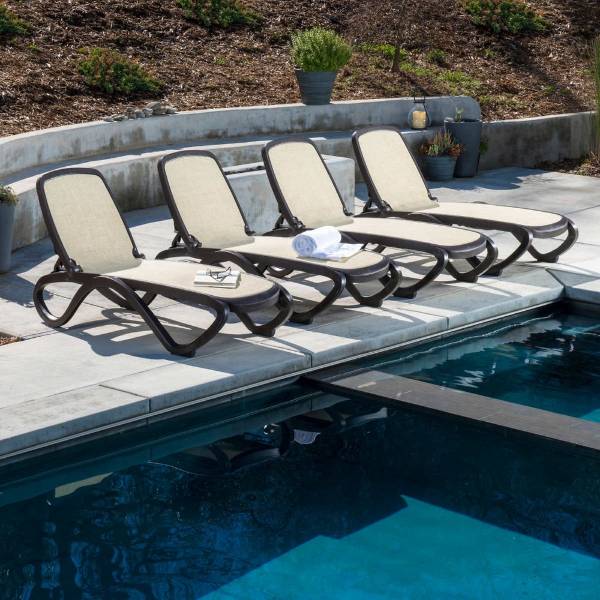
Why stacking helps with seasonal storage
Off season storage is less about hiding furniture and more about reducing exposure. Chairs left outside through wet or cold months can collect grime, hold water in joints, and spend long periods in sunlight. A stacked set takes up less room indoors or under cover, so it is easier to move out of the weather. That matters for resin furniture because resin handles outdoor use well, but it still benefits from a cleaner, drier resting place when it is not in use.
Stacking also makes the storage area easier to manage. A group of chairs in one compact stack leaves room for table bases, cushions, planters, or garden tools. It reduces the chance of chairs tipping over in a crowded shed. It also keeps the seating together, so matching chairs do not drift into different corners of the garage.
There is a trade-off to consider. A tight stack can trap dirt or water if chairs are put away damp. Airflow is reduced when seats and frames touch closely. That is why a quick cleaning and drying routine before stacking makes a real difference. The time spent at the start of storage often prevents stiff hinges, marked surfaces, and musty smells later.
Cleaning before the chairs come together
A soft brush can lift loose grit from seat slats, leg joints, and the underside of the frame. Grit left in those areas can act like sandpaper when chairs are stacked and unstacked. Mild soap and water are usually enough for everyday residue such as dust, pollen, and splashes from meals. A cloth or sponge works well on flat areas, while a brush helps along molded edges and around drainage openings.
Rinse thoroughly so soap does not dry in the texture of the resin. Then allow the chairs to dry fully before stacking them. Sun and airflow help, but shade is better if the weather is hot and dry for long periods. Extended UV exposure can affect the look of outdoor materials over time, so storage in a shaded place is generally kinder than leaving chairs uncovered through every season.
Pay attention to the points where chairs touch. If grit remains on a leg tip or backrest, pressure from the stack can rub against the surface below. Clean contact points are especially useful for chairs that will sit together for winter storage. A little care here helps preserve the finish and keeps the stack easy to separate when warm weather returns.

What to watch for when chairs are stacked
A stable stack should look orderly from more than one angle. Check that the legs sit within the intended shape of the chair below and that the backrests follow the same direction. If a chair rocks, do not force another one on top. Lift the upper chair, realign it, and try again. Forcing a poor fit can crack stressed areas or leave permanent marks on the resin.
Weight also matters. Even when chairs are designed to nest, a tall stack can become top heavy. Move a stack with care, keeping it upright and holding it close to your body. Clear the path before lifting, especially on steps, wet paving, or crowded storage areas. If a stack feels unsteady, reduce its height. The storage advantage is lost if the stack becomes difficult or unsafe to handle.
Protective covers can help when chairs must stay outdoors, but they should not be used as a substitute for dry storage. A cover that traps damp air against a stack can leave moisture buildup on seats and frames. Choose a breathable cover where possible, and make sure the chairs are clean and dry before covering them. In a shed or garage, a loose cover may still help keep dust off, but the chairs should not be squeezed under something that presses on the backrests.
Storage damage and the limits of simple fixes
Resin furniture is built for outdoor conditions, yet stacking can reveal weak points. Hairline cracks near leg joints, sharp edges that catch on the chair below, or a seat that no longer sits level may point to damage that needs attention. In some cases, outdoor furniture replacement parts may be available for components such as feet, caps, or small fittings, depending on the chair design. Checking the model details before ordering helps avoid mixing parts that do not match.
Not every problem should be handled as a repair. Structural cracks in a load bearing frame can affect stability, and a damaged chair at the bottom of a stack may put stress on the others. If a chair flexes unexpectedly or cannot sit flat on the ground, it is safer to keep it out of the stack. A qualified repair professional or the manufacturer can advise whether the piece can be restored or should be retired from seating use.
Small marks are different from structural damage. Surface scuffs from a rough stack are often cosmetic, especially when they do not deepen or spread. Keeping stacks clean and aligned reduces the chance that a small mark becomes a rough edge that catches on another chair. The same applies to storage areas. A smooth floor and a little space around the stack are better than a crowded corner where chairs rub against tools or walls.

Fitting stacking into a larger storage plan
For patios, pool areas, gardens, and commercial dining spaces, stackable seating makes turnover easier. Chairs can be cleared quickly, stored in a compact footprint, and brought back out in an orderly way. That is useful when a space changes with the season or when furniture must be moved for events and cleaning. Resin patio chairs are often chosen for these settings because the material is suited to outdoor use and the molded shapes can support neat stacking.
The key is to treat stacking as part of furniture care rather than an afterthought. Clean the chairs, let them dry, align each one carefully, and store the stack where it is protected from heavy weather and unnecessary pressure. When the season starts again, unstack slowly and check the contact points for grit or marks. With that routine, a compact stack becomes more than a space saver. It becomes a simple way to keep seating ready, orderly, and easier to care for between uses.
Storage choices also shape how long a seating set remains pleasant to use. Chairs that are stacked cleanly and kept out of standing water tend to look better and feel more secure when returned to the patio. That does not remove the need for periodic inspection, but it reduces avoidable wear. Before putting a full set away, check each chair for loose fittings, damaged feet, or a frame that sits unevenly. Dealing with those details early keeps a convenient storage method from creating bigger problems later, and it helps preserve the value of outdoor furniture replacement parts when components need to be matched to a specific chair.